All the bells and a hobby horse


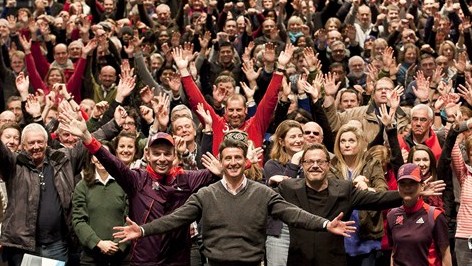
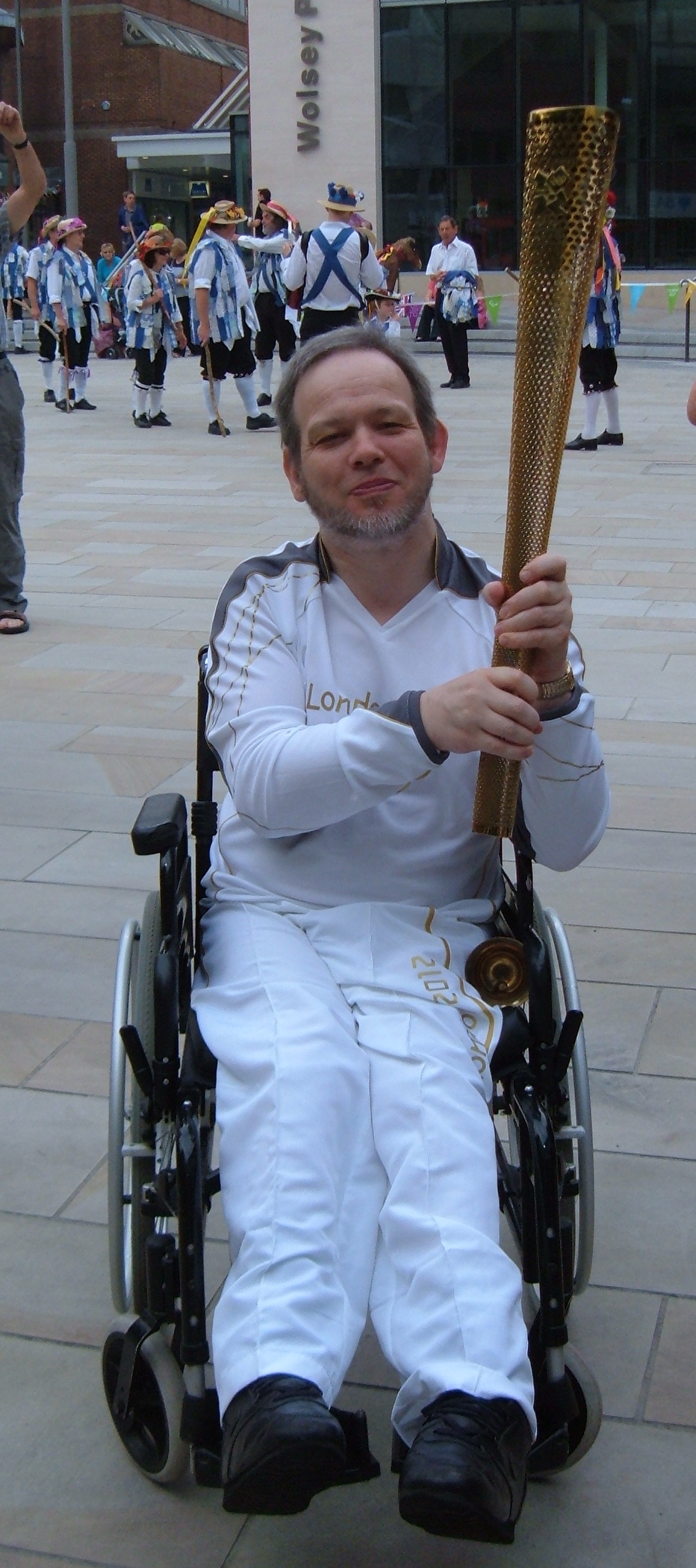
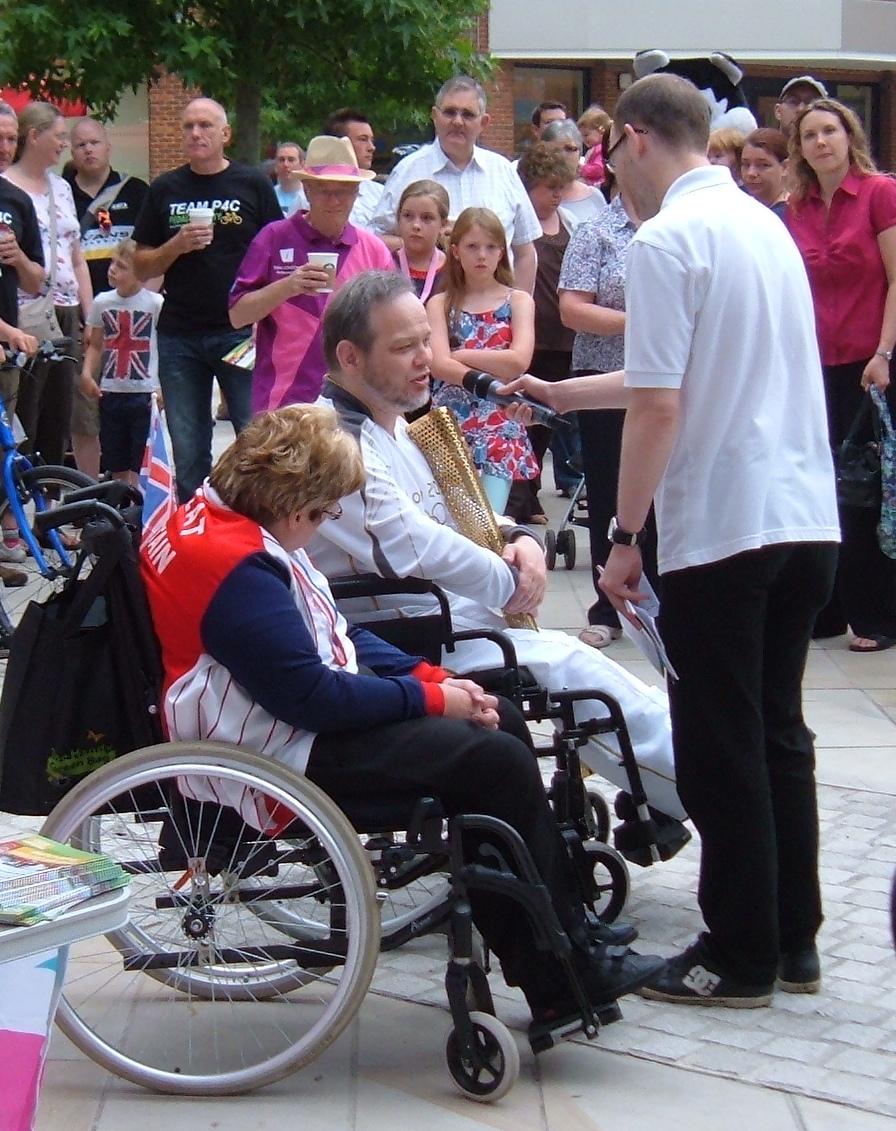
As part of the London 2012 Festival Martin Creed led a three minute bell ringing event across the UK on the opening day of the Olympics and Woking joined in…as I have since discovered did many people at home who rang their doorbells. So, 7.45 on a grey July morning I am waiting by the gate for my lift into Woking. I blame my wide yawns at this early rise squarely on Martin Creed and the local Morris men, who invited me to join them in the newly refurbished town square. I am pondering that entirely fitting that the car that I am waiting for is a Morris Minor but it has slipped my mind what role my driver – another Sally, plays in the group. “Just hold this,” she asks as she is locking up the car…this being a bundle of brown fabric topped with an amazing, 100 year old horse’s head. Sally is the Hobby Horse! The square, when we arrive is pretty empty but looks glorious after its make-over, having spent the last 9 months swathed in scaffolding. Eagle Radio have set up in one corner and there are a few young people meeting and greeting who immediately catch sight of the horse and there follows a round of ‘photo opportunities’. I am scouring the area for the promised free coffee. By the time I have run one to ground, courtesy of the newly opened Pret a Manger, the rest of the Morris dancers have arrived and the place is beginning to be populated by guides and brownies, Scouts, nurse, teachers, business men and women, shoppers, cyclists…so many different people, some invited by ‘Celebrate Woking’ who were the ones to sign up to Creed’s bell ringing event, others who have stumbled into the melee and decided to stay. By now I have my Olympic Storyteller hat firmly on and am looking for people who may have a story to tell. I spy a young man in a wheelchair hugging a suspiciously familiar shaped package in his arms. Without a second thought ( if nothing else this storytelling has overcome my shyness) I ask him if his white tracksuit and package are what I think they are. He grins wide and proceeds to tell me all about his Torchbearing experience… His name is Simon Hawkings and he was nominated by a co-worker at the Woking Theatre, where he works. he says with much pride that he carried the torch up the steepest hill in Bletchingly – an appropriate challenge , he laughs. he recalls being overcome at the crowds and the honour, saying it was a humbling experience. he says he is so lucky to be able to bring his torch back and show it and talk about it in the heart of the community, where it belongs. “I am proud to be able to do what I can to ensure the Games leaves a lasting legacy.” What a man… I move on, with half an ear to Eagle Radio’s Stuart proven who is currently interviewing an Olympian cyclist, Tony Boyle who was explain that he often trained with Bradley Wiggins’ (pause for thunderous applause as the crowd pays tribute to his win in the Tour de France), when I spot…a gold medallist…Helen Hilderley is a gold medal winner in archery from the 1984 Olympics. She is bubbling with excitement that the 2012 games has not only raise the level of awareness of the Paralympic Games with the building of dedicated arenas for their sports, but also has so enthused her that after many years raising her family with her husband, also a paralympian, she is returning to the sport. Proudly she handed me her medal, pointing out the Braille inscription on the back so that blind people too can fully experience the feel and heft of such an honour. I spoke briefly to Riette Thomas, the project manager for Celebrate Woking. She spoke of the logistical challenge of the Surrey roads being made ready for the Cycle Road Race and touched on the way this has inspired her young son, who intends, he says, to emulate Bradley Wiggins and wear the TdF yellow Jersey one day. We are interrupted by the level of noise in the square… the countdown has begun to 08.12 the time dedicated to the three minute bell ring.
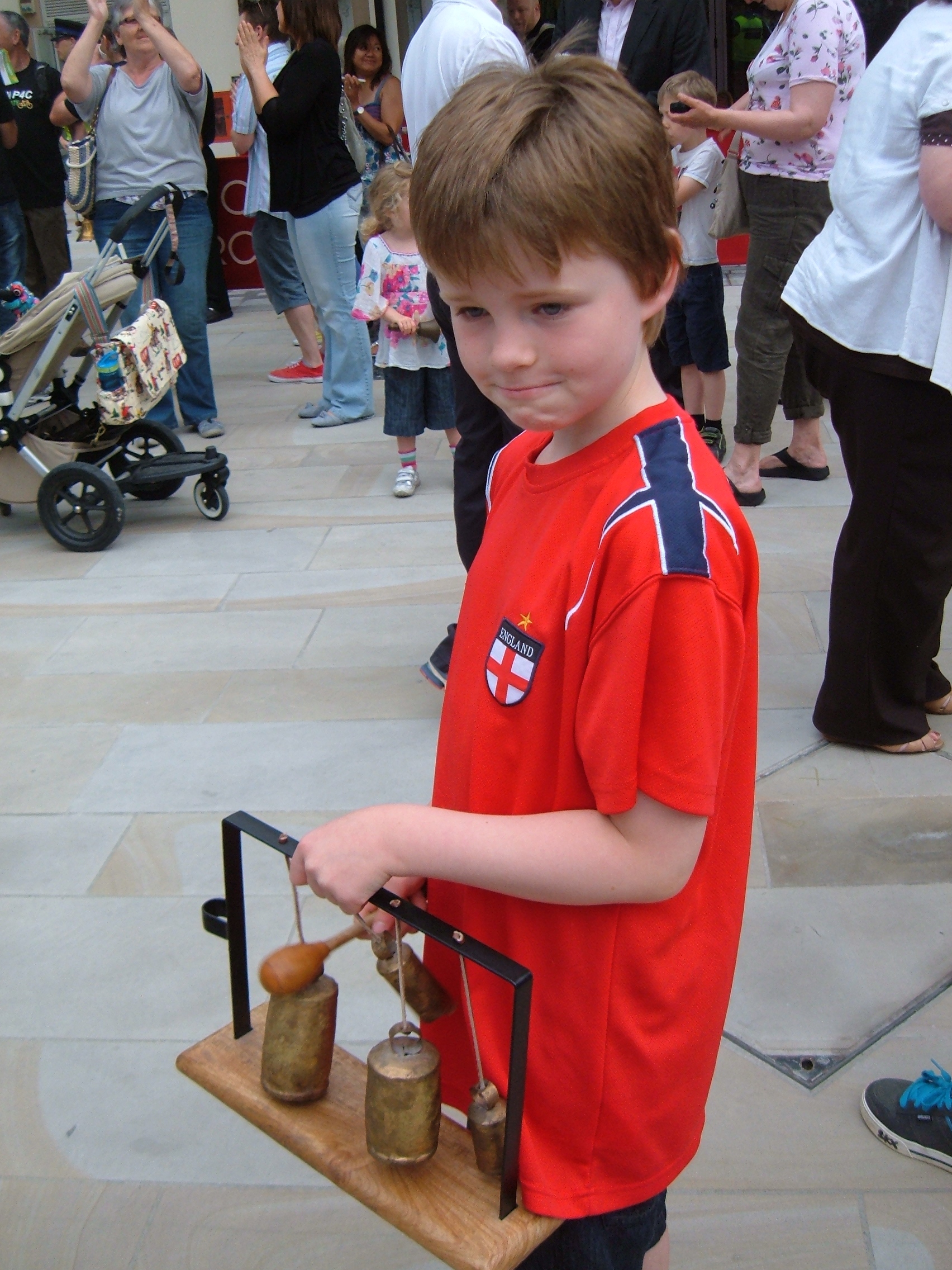
bell ringer extraordinaire

The Morris Men and Women are in place, jangling their legs just to make sure all their bells are in working order, and bells of every description appear in people’s hands – bicycle bells, crystal bells, hand-bells, a Swiss cow-bell, a range of bells such as I have never seen before played enthusiastically by a young boy intent on making himself heard., those with no bells jangle their car keys…anything to join in this national 3 minute tribute to the Olympic Games.

Amid the cacophony, I noticed two policemen, lurking on the sidelines. I asked them why they were looking grim, “Exhaustion,” they replied in unison, explaining that they had pulled a sixteen hour shift the day before on the Box Hill circuit which was being cycled by the athletes in preparation for the event, as well as cycling enthusiasts who were joining in on roads that were still carrying the usual amount of traffic. “And the mood…?” I asked, expecting a tale of short tempers and fisticuffs. “Amazing. No-one grumbled. It was just awe inspiring.”
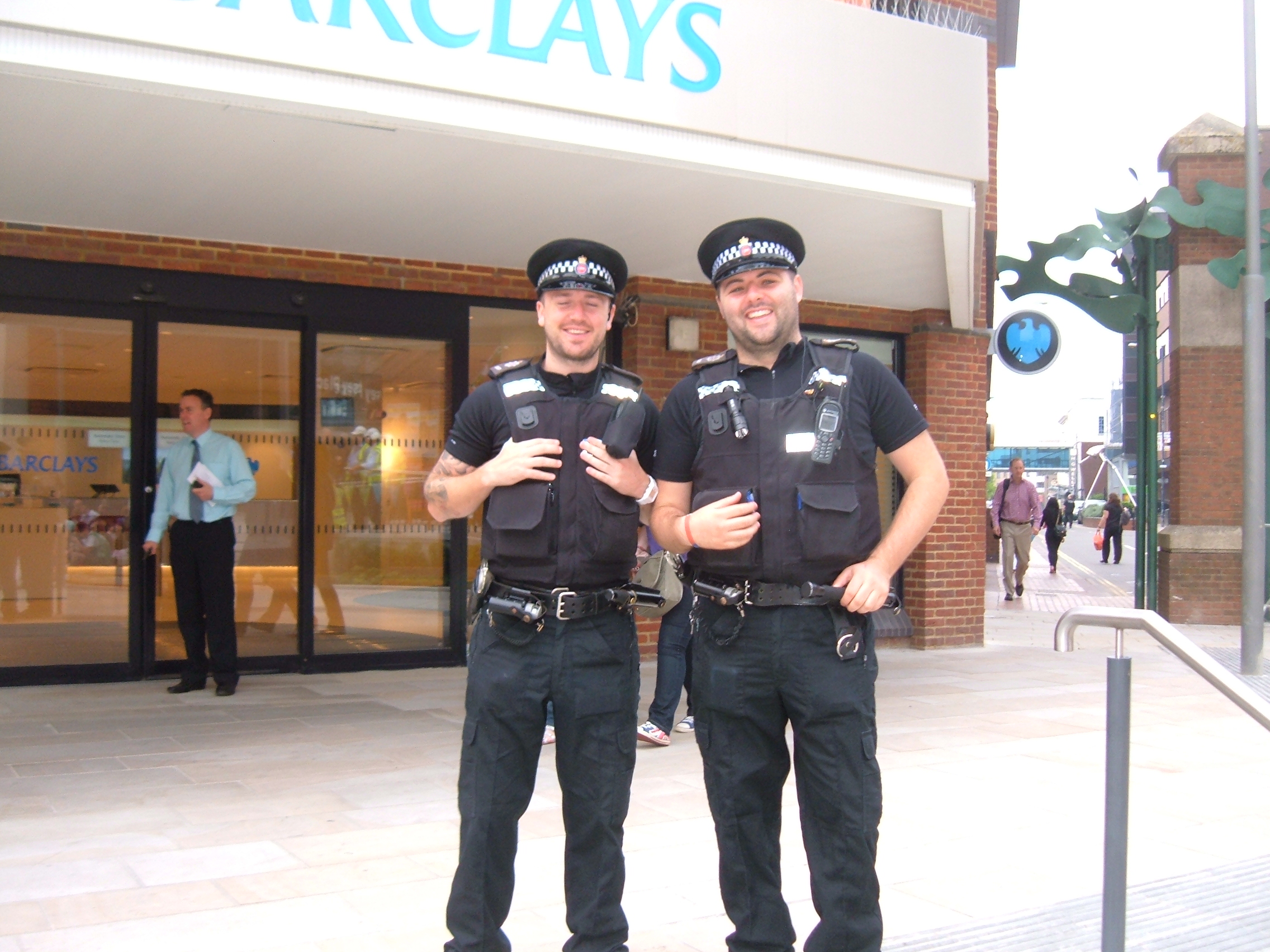
They went on to say how they were filling in the gaps left by the G4S shortfall in security staff. How even if they had tickets for events, they could not attend if they were on shift to work. They were not grumbling…but happy to do their bit to make these Games the best ever. Now that is dedication. By nine the square was emptying. Sally and I gathered up the hobby horse, ready to make our way home. Everyone we passed was smiling. This seemingly simple event had, yet again, shown that the nation is ready to make this the best Games ever.



Posted in BT Olympic Storyteller, London 2012, Martin creed, Olympic Torch Relay, Olympics, Surrey, Woking, writer, writing | Tagged , , , , , , , , , , , , | 4 Comments

Coffee and chat with Helen Turner of Team GB


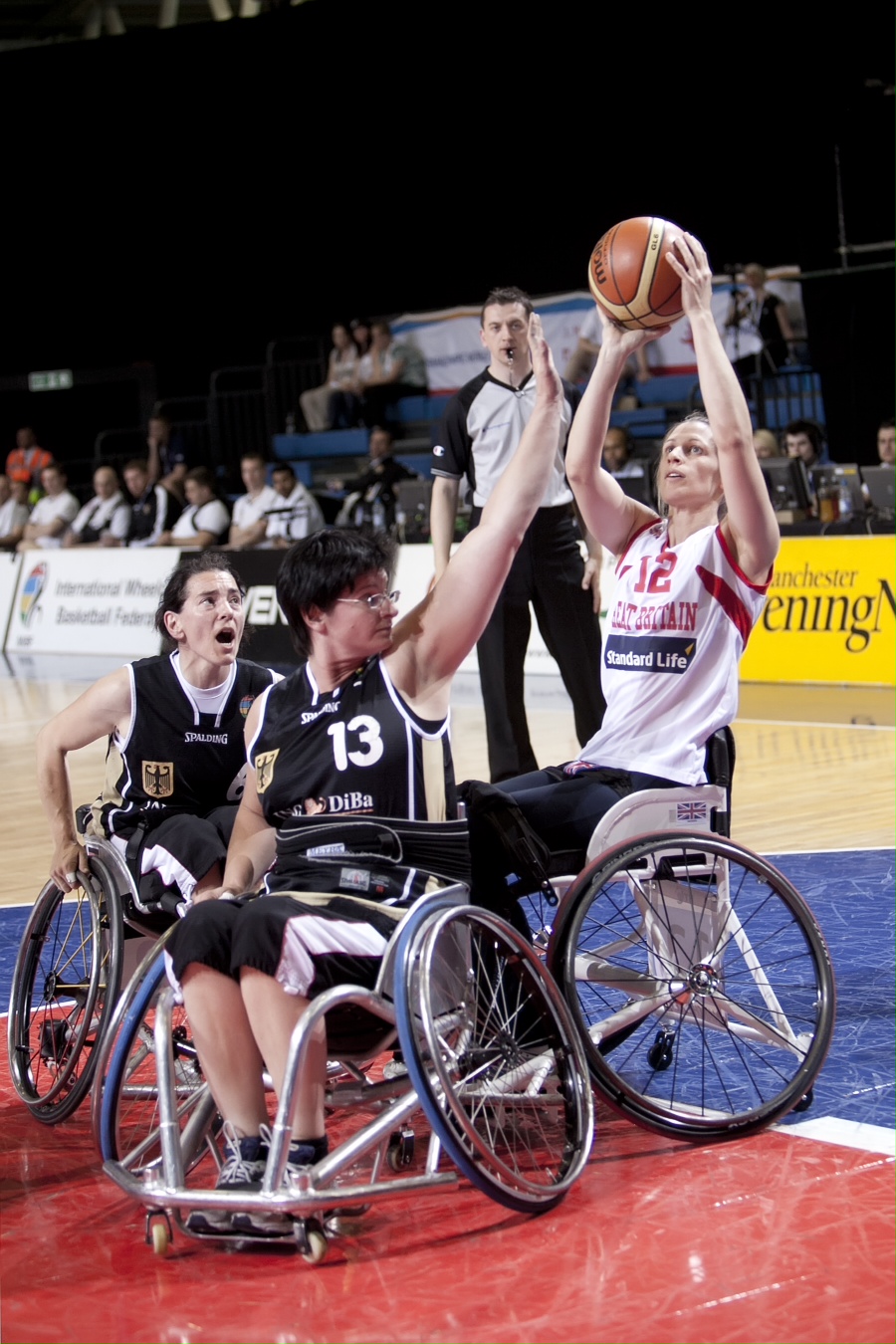
Helen looking to score more points

“I’m hoping that I may have time to tour the Olympic Park in my downtime,” says Helen.This may seem an odd thing for an Olympic athlete to say, but Helen’s event, Wheelchair Basketball, will be held in the O2 Arena. Free time for an athlete is scarce added to which high levels of security result in little time for sightseeing.
Helen Turner is one of Team GB’s Wheelchair Basketball team and this will be her third Olympic Games. The women’s team is ranked 6 in the world and has at some point beaten each of the ten nations that have qualified for London 2012. Sio the competition is evenly balanced and bound to be exciting.

Helen, whose disability following a back injury is rated at 3.5 explained that there has to be a disability points total of 14 on court at any one time. This means that the coaches and managers have to be competent mathematicians as well as master strategists. In national league matches as opposed to International competition, able bodied athletes may be found playing in the team, but even then their points count of 5 makes them very expensive to team strategy. Also, as Helen points out, they are often no more able to deal with the specifics of this sport and often far less adept with the wheelchairs.
Effectively Helen has been in constant training for the last 12 years, though the preparation for London has been more stringent than ever.

“It’s my job,” she tells me. For the past four years she has kept an online journal of her training and followed a strict plan of tasks and activities, as well as diet. She has been supported by nutritionists, physiotherapists, psychologists, sports scientists, in addition to her coaches for skill and fitness. Between now and her arrival in the Olympic Village on 27th August, Helen has a full schedule of matches as well as training commitments each day, though the the day approaches her skills training will ease whereas her fitness training will not taper at all.

Once in residence she will share a room with six other members of her team and will be subject to a strict curfew and her contact with the press and the outside world will be fiercely protected. The one advantage is the 24/7 food hall offering truly global cuisine to cater for athletes from every corner of the globe and with every imaginable dietary requirements. Helen’s room will be decorated with the posters wishing Good Luck that were made for her by pupils of St Lawrence School in Chobham, her home village. Pride of place will go to the one made by her son, Luke. Her family (including grandparents who have been so supportive with child minding and long suffering husband) all have tickets that they have bought in order to watch her matches, though Luke is a little concerned that he may find it ‘boring’!

I asked about the post match routine. This includes limited time with the press, a shower and a debrief. The coach then returns them to the village where they eat and then watch and analyse the match video. Last of all, she mentioned laundry…somehow it hasn’t occurred to me that they do their own washing. Her reply to what she is looking forward to after the games surprised me too,

“Being able to choose my own clothes rather than living in GB strip, and getting back to ‘normal’ family life.”

I can understand the family bit but had no idea that even when training in the gym, team GB athletes wear team GB strip. Helen went on to explain that it is much like being in the army in that life is totally regimented…even to the extent that counselling is available to help athletes return to ‘civvie street’.

I imagine that Helen’s young son and close family will help her make a smooth adjustment and also find just the right way to celebrate her 2012 success.

Coverage of Wheelchair Basketball will be on ITV Channel 4 and their first GB Women’s match is on 30th August. All that remained for me to do was add my thanks to Helen for being so helpful, wish her luck and ask her to grant me a few comments after the event to say just how great it felt to be part of the London 2012 Olympic Games


Posted in BT Olympic Storyteller, Chobham, Family, London 2012, Surrey, Team GB, Uncategorized, Wheelchair Basketball, writer, writing | Tagged , , , , , , , , , | 1 Comment

He died in France

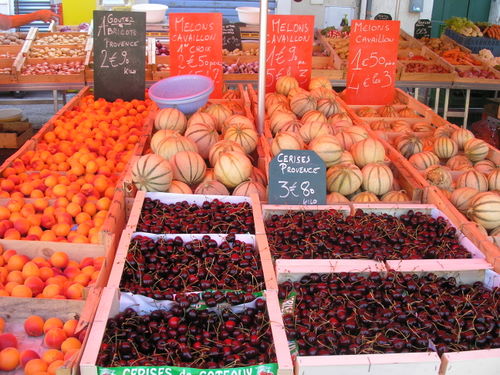
My father died in France in high summer. One bitter-sweet memory was buying fruit from a street market to tempt his failing appetite.

Fruit in a French street market

Cherries, ripe, red
from a Rouen market,
cupped in her hand.

His hand, pale and still,
in a Rouen hospital,
cupped in hers.

Apricots, too firm, warm,
from a Rouen market,
trap ripening sun.

His brow damp, chill,
in a Rouen hospital
traps breaking dreams.

Sights, sounds, recede
in the Rouen market,
basket full, she hurries on

to lay her final gifts
before him in the
Rouen hospital bed –

sweet red cherries,
memories of their life;
sharp apricot tang,
plucked before their time

Posted in death, Dversepoetry, Family, Life writing, melancholy, memories, online writing, poet, poetry, poets, seasons, Uncategorized, writer, writing | Tagged , , , , , , , , , | 9 Comments

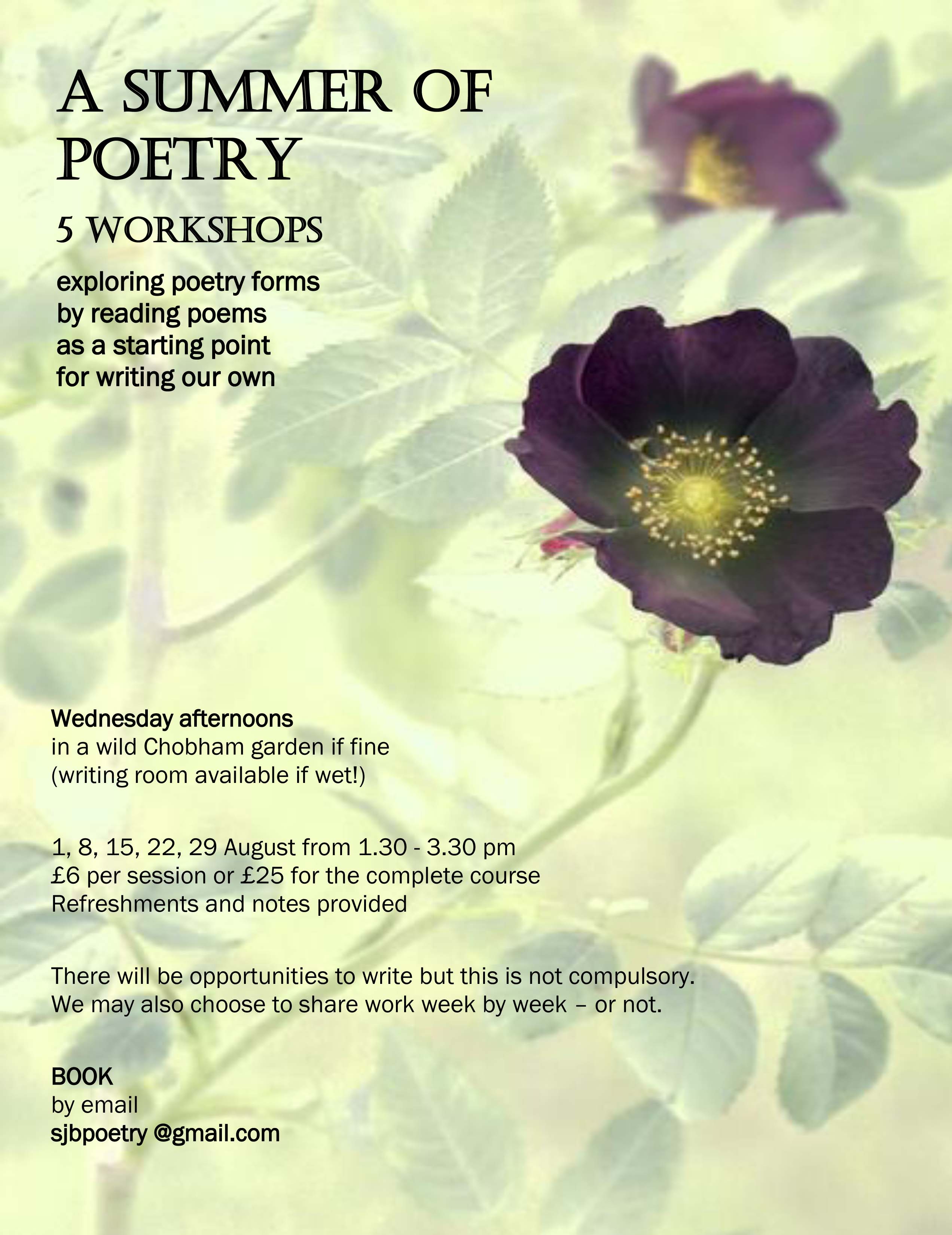
A Summer of Poetry

Posted in Chobham, poet, poetic forms, poetry, Poetry workshops, poets, Surrey, writer, writing | Tagged , , , , , , , , , , | 6 Comments

Take some cardboard, a dab of glue…

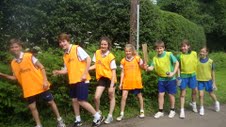
Students from Woking High School and St Lawrence School, Chobham undertake their own Torch Relay

Take some card and glue, tissue paper and gold, paint sprinkle with a little imagination and primary school teacher magic and you have an Olympic Torch. Add an enthusiastic attitude and a desire to encourage everyone to feel part of the Olympics and you have a local schools’ torch relay.

This is just what happened in Chobham last week. Six local schools (Holy Trinity, St Lawrence, Woking High, Sythwood, Horsell Junior, Horsell Infant & Goldsworth) planned a route that joined their schools together, using footpaths, main roads and small country lanes.

They relayed in teams of four pupils from the primary schools plus a contingent of secondary students from Woking High. These are dedicated students are regulars at St Lawrence’s as they help out with sport on a regular basis., little knowing what capers they would be involved in. The young people were also accompanied every step (sometimes walking sometimes at a trot) by staff and helpers, taking turns to carry their torch the length of the route. At each school they paraded the torch and it was passed from hand to hand so every child felt its magic.

Many of the paths had become overgrown since the route was walked by teachers a few months earlier and so several photos show peculiar and original running styles as elbows and thighs are lifted high out of the reach of stinging nettles – not that this dampened the enthusiasm of the runners one jot.

Only one contingent of the relay managed to lose their way, emerging from the fields several hundred meters from the correct changeover point. Such was the precise timing and planning for the event, the mislaid team was found very quickly.

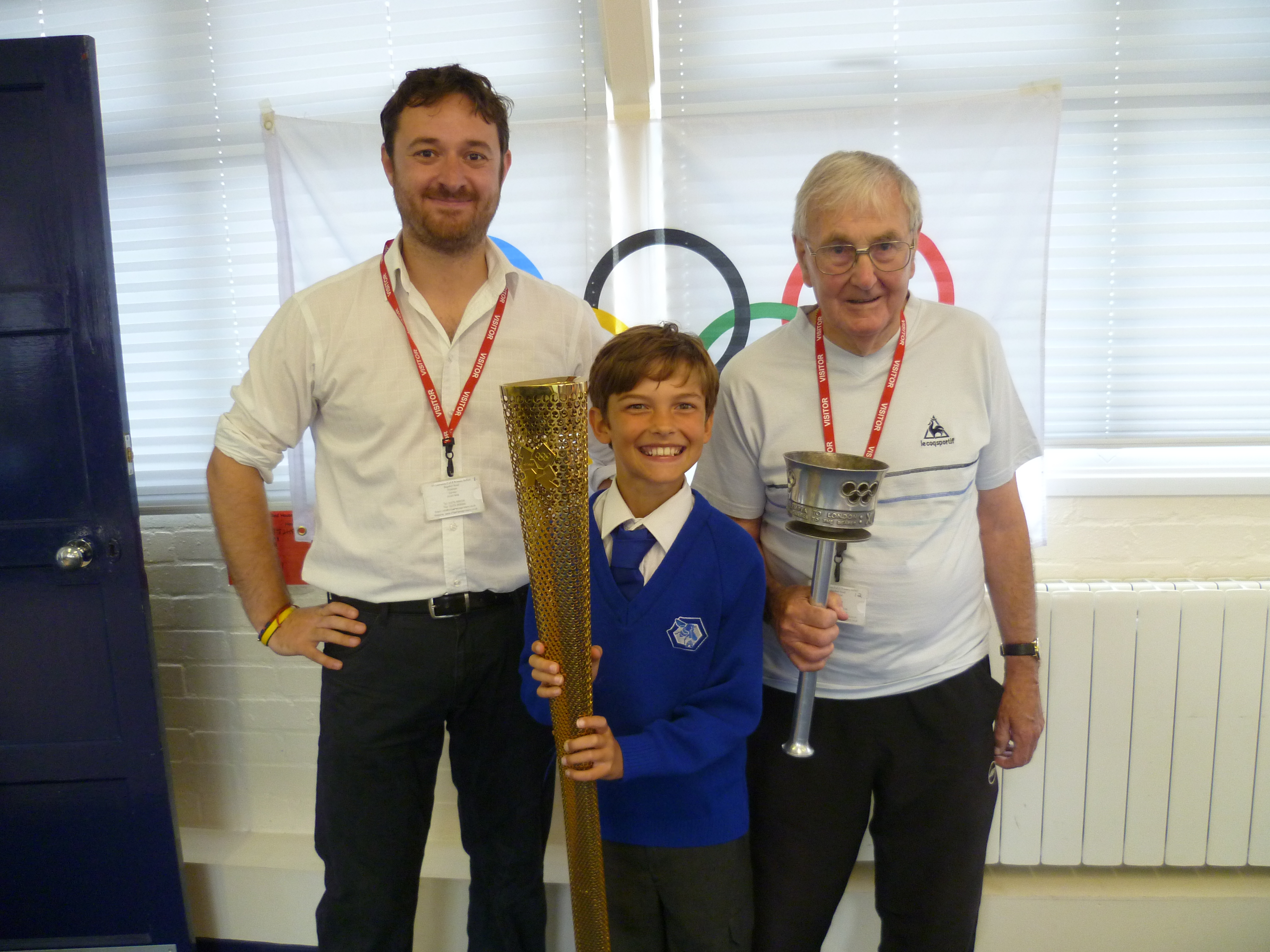
I was delighted to be invited to ‘report’ on this adventure, and also to a special school assembly at St Lawrence, Chobham school, to celebrate its success. There were two far more important guests who had really exciting things to share, and I was as entranced as the children to hear about the exploits of James Toney, our local torchbearer who had completed his 300 metre run on the same day as the school event, and also, John Green, a torchbearer from the 1948 Olympics who had run a much more tiring 2.5 mile leg.

John had many tales to tell, but most important for the first few minutes was the comparison between the 1948 torch and the 2012 model. We learned about the different fuel types – a gas canister for today’s torch, and a lump of solid paraffin for the 1948 version. While the modern torch was turned off at the end, John smilingly related having to plunge his into a bucket of cold water to put it out. Similarly, the difference between the parade was as marked as the contrasting fuel issues. James told of 400 staff and helpers who make the relay happen in town after town, including 17 policemen who have trained for 2 years in order to provide security for the flame, several minibuses to transport the full contingent of runners for the leg and a party later in the day for all runners and their families. John said he was followed by one motorcycle policeman, and, at the end had to find his own way home by public transport. James had a full ‘kit provided while John, having been asked to run in something white, had to borrow a pair of shorts from a footballing chum as he only had one pair, his athletics shorts, which were red – he was a cross country runner and GB steeplechaser representing Reading Athletics club.

There were two areas of common ground however, the first being that the flame from which the torches were lit is kept alive in a miners’ lamp. The second was the emotion that each of these men showed as they talked of their experiences. Each mentioned the humility they felt, the pride and the passion of their Olympic involvement and the fact that never, ever would they forget the experience.

Following the assembly was a lively question and answer session. The thoughtfulness of the questions asked, and the forest of arms stretched ceiling high in order to be able to speak bore testament to the real impact this whole experience had made on the pupils and to the fact the London Olympics is as real here, in Surrey to these children as it is to the elite athletes who are about to take part.


Posted in BT Olympic Storyteller, London 2012, Olympic Torch Relay, Olympics, Surrey, writer, writing | Tagged , , , , , , , , | Leave a comment

Chobham Games Makers

( Image of Seb Coe, Eddie Izzard and volunteers from the Games Maker website)


Games Makers David and Maureen Smith

The reality of being an Olympic volunteer, a Games Maker, involves an amazing amount of commitment, both of time (often using up leave entitlement for those in employment), funding of travel to widespread training events and sometimes of overnight accommodation. That over 70,000 people nationwide are making this commitment says a lot about the British nation.

I spoke to David and Maureen Smith who live in retirement my village and have been accepted as timekeepers for the Olympic and Paralympic Marathon events. They are both experienced having filled this role for many years for prestigious Marathons, including the London Marathon.

They explained about the lengthy selection process included what David described as a profiling exercise. They had to pass even though this is a job they have done many times before. David, whose personal interview was short and sharp, and Maureen, whose one to one session was a more lengthy experience, were both convinced that they had not made the cut. Sample questions included detailing what they considered to be their greatest achievement thus far (David had project managing the building of the village cricket pavilion high on his list) and also what they wanted to achieve in life. This raised a chuckle as many would say that in retirement, a quiet life is the main aim.

They needn’t have worried as many weeks later they heard that they had been selected and so began a long journey of training and motivational sessions in varied venues all over the country. One session, was team building and motivational. We smiled as we shared the image of the two of them leaping and hollering in orchestrated high spirits, led by a public address head-set sporting conductor of events on the stage. However, they calmly agree, it certainly worked and unified the crowd with shared goals and principles.

The test event for the Marathon preceded the BUPA 10k race, and entailed a two am arrival in The Mall. There was no parking so rather than travel in the grey hours of early morning they opted to fund their own overnight stay. Lunch, they said, was provided.

David explained that the timing system was different from that used at the London Marathon, though their job was essentially the same. They manned a checkpoint and manually recorded a sample of times to check that the electronic chip system was working accurately. Maureen and David devised an improvement to the system they were using…hopefully one that will be adopted at other checkpoints. It was also discovered that although the course was practical ( fewer road closures than the London event, as well as easier to maintains security), being generally level and fast, not to mention scenic, some turns on the course were too tight for the seated athletes. Finding wrinkles is exactly why test events are run, so this can be deemed a great success.

July will see these intrepid volunteers at two more training events, as well as the big day when they collect their official uniforms…though they do wonder why these outfits have to be returned and then collected again ( all requiring journeys into London) between the Olympic games and the Paralympic games. Nevertheless, comments Maureen, they are honoured and proud to be involved.


Posted in BT Olympic Storyteller, Chobham, London 2012, Olympics, online writing, Uncategorized | Tagged , , , , , , , , , , , | 5 Comments

The Torchbearer – James Toney

“ The Olympic Torch Relay has the power to influence attitudes and win hearts,” says James Toney, Executive Editor of Sportsbeat, award winning journalist and soon to be torch bearer.

His interest in  bringing the Olympics to London started with a story in 1999, but his interest in the Olympic movement dates much further back, to when, as a small boy he was inspired by a teacher who installed in him a love for all things Olympic: values; fairness; opportunity; spectacle; the discovery of unusual sports; elite competition. In fact the whole Olympic dream took up residence in his young imagination. He warns that his mother still brings out the photos of his boyhood self parading with a torch made from a cardboard tube from the centre of the tinfoil as well as standing proud on a homemade podium. The Olympics became his passion and this has endured, weathering the realisation that he would not compete as a sportsman and has been translated into co–founding one of the most successful sports news agency – Sportsbeat (http://sportsbeat.co.uk/content/about-us). James will talk enthusiastically about his childhood heroes – commentators, David Coleman, Harry Carpenter and High Porter. It was the latter who, when James, the boy, was introduced, invited him to sit beside him while he commentated.

I could have listened to his stories for many hours more but three lattes’ in to the interview, we returned to the task in hand – the Torch Relay. James explained about the cavalcade that accompanies the torch on its journey – he likened it to that which precedes the Tour de France – another interest that threatened to side-track us – however, he went on to tell me about the buses that take the torchbearers from place to place en route, about the move from one bus to the ‘advance ‘ bus as the runners leg approaches, about the police outriders – always a great draw for a crowd, the drop off and then the wait.

The runner is surrounded by security and police. James was quick to say how he has been impressed with the light touch of the policing surrounding this event. He also has tales of people whose reaction to the relay, which brings the Olympics to small roads and communities, nationwide, has moved from slight interest during the wait to amazing enthusiasm once the torch passé close by. This he says is the power of the torch for Britain. It inspires and excites and moves the most hardened ‘can’t wait til August is over’ individuals in the crowd.

Of course, on the morning I spoke to James, he was telling what he had observed. He does not actually participate until June 26th, when he will run his 6 minute leg in Lincolnshire, where he has family ties. He will be taking along his own army of supporters, including his parents, wife and young daughters and they will all celebrate in the evening with the other runners of this leg at a celebration in Cleethorpes.

The following Monday, he will take his torch into our local primary school for every child to see and touch as he tells his personal tale of the relay. He hopes that in this way – the bringing of the torch to the people all over the country, and especially to schools –  a similar flame may be kindled in other youngsters as was for him by the enthusiastic teacher of his schooldays.

I will be there at the school, and it is then that I will corner him and make him find the words to explain what he felt that moment when the flame was handed on to him as he claims it is likely to render him speechless. Somehow I doubt it!

To watch video coverage of the relay or to see where it is and when, go to http://www.london2012.com/torch-relay/

To view this and other Olympic Stories I have written go to
http://www.btlondon2012.co.uk/storytellers/MeetStorytellers-Pages/STbio.php?newcode=7

Posted in BT Olympic Storyteller, Chobham, London 2012, Olympic Torch Relay, Olympics, Uncategorized, writing | Tagged , , , , , , , , , , , , , , , | 4 Comments

Chobham’s Olympic Stars

I live in a small  village, not the kind of place, I thought, to brush shoulders with people directly involved in the Summer Olympics. I couldn’t be more wrong. Since one of my ‘BT Olympic Storytellers’ poems appeared in the Parish magazine, I have connected with a  dancer who is acting in the opening ceremony, a torch bearer, a member of the women’s wheelchair basketball team, a pair of volunteer timekeepers, a volunteer driver, two judo Olympians,  and a volunteer whose job it is to ferry results from the athletics finishing line to the Press Contingent at the Games. Little by little I am making contact with each of them to get their stories.

I’m in the Opening Ceremony!
Alison Kirrage talks to me about about preparing to take part in the London 2012 Olympic opening ceremony. Of course my first question was ‘ what is the theme..?’ All she is allowed to say about the theme is that it is historical, multicultural and about all things British, and in truth, I wouldn’t have wanted to spoil the surprise. She describes her role as physical theatre. As to the way she became involved, she was contacted by her agent at the end of 2011 to audition, and then, a week later was recalled.  The second stage was to audition in front of Danny Boyle (of Slumdog Millionaire fame) , an amazing experience in itself. She was then pencilled in and heard nothing more for months…imagine her elation when she heard that she had made the final cut. Excited to work with someone of the calibre of Danny Boyle, Alison is  impressed by his friendliness, his grin and that he always goes out of his way to thank everyone for their work.

Alison’s particular group comprises ten professionals, of which she is one, and twenty volunteers. When pressed all she would say is that their performance moves around the whole arena…not giving away any secrets, except to say that after their first rehearsal she couldn’t move for four days – obviously the emphasis is on  physical! Their choreographer is Toby Sedgewick ( known for the stage production of Warhorse) and again Alison is astounded by his friendly approach to all of those involved – volunteer and professional alike.
‘Inclusivity is the byword,’ she says, ‘ there are all ages, all types, working together and everyone is immensely proud to be part of it.’

Rehearsals will now take place every Friday, Saturday and Sunday until The Day, moving from a small rehearsal space to one of a similar size to the arena, and then , finally to the arena itself. Security, she says, is immensely tight, and even the letter she has to show to gain admittance to the rehearsals will become one of her keepsakes of this amazing, once in a lifetime opportunity.

Alison has promised to talk to me after the ceremony to try to sum up what it felt like to actually be there…and is not sure she will manage to find the words… but that is where me being a storyteller comes in useful.

My next post will be about James Toney, managing editor at Sportsbeat, and Chobham’s own Olympic Torchbearer…

Posted in BT Olympic Storyteller, Chobham, London 2012, Olympics, Opening ceremony, Parish magazine, writer, writing | Tagged , , , , , , , , , , , | 4 Comments

An old poem for a new task on dVerse

I really wanted to participate in this week’s dVerse challenge – using verbs from a particular profession to strengthen a poem and to find new verbs to refresh an idea.
Unfortunately I am very caught up in other writing with tight deadlines and so, rather than not post, I offer an old poem – ‘Soldier’, with apologies to those who may have read it before. It is one in which I attempted to employ verbs with a military flavour to underline the way uniform and soldierliness hides identity, though probably not to the extent that this task really required.

Soldier

I don’t know the man who stands
camouflaged, in green battledress,
feet apart, straight back, still hands,
unwitting, not dressed to impress.

Camouflaged in green battledress,
hard-cropped head turned away,
unwitting, not dressed to impress,
despite glossed boots, badged beret.

Hard-cropped head turned away
exposing vulnerable neck,
despite glossed boots, badged beret,
braced shoulders – a flawed effect.

Exposing bare, vulnerable neck,
pulse rippling beneath soft skin,
braced shoulders, a flawed effect,
veiled gaze, attention within.

Pulse rippling beneath soft skin,
my son’s rifled brow, drilled with lines,
veiled gaze, attention within –
then blue eyes lift, smile into mine.

My son’s rifled brow, drilled with lines,
feet apart, straight back, still hands,
then blue eyes lift, smile into mine
and I see my boy in the eyes of the man.

Posted in Afghanistan, Deployed - a collection of poems, Dversepoetry, Family, Life writing, military, online writing, poet, poetry, war, writer, writing | Tagged , , , , , , , , , | 12 Comments

Security…not exactly a rant!

It is probably obvious from my last two posts that I was fortunate to have tickets for the Wheelchair Tennis Event at Eton Manor which was part of the London Prepares test Event at the Olympic Park. I was there in the role of BT Olympic Storyteller, and as I have already said, it was a marvellous experience.

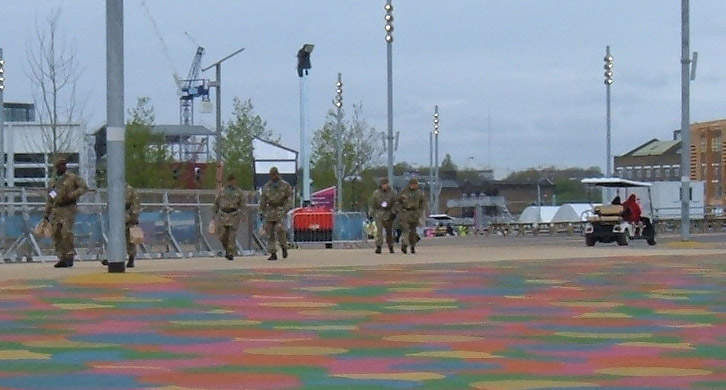
We arrived early enough that there were no queues to enter the park, which was employing full security checks just as it will during the Summer Games. The process was quick, efficient and friendly. It was no more onerous than those used at airports. The checkpoints were manned by soldiers. I asked whether the army would be performing this task in the summer. The young man was hesitant and prefaced his answer with the words, ‘I know this is a controversial issue…’. I assured him that for me it wasn’t and we parted with a smile.

Puzzled by this, I pushed it to the back of my mind and got on with the day. During our travels around the park we commented that the parties of soldiers we saw occasionally ‘yomping’ backwards and forwards from McDonalds ( the biggest one I have ever seen!) epitomised fit, friendly, alert teams of men and woman going about their business efficiently and professionally.

More disturbing , in that it is unexpected, was coming face to face with armed policemen, though again, their friendliness and the way they engaged with the public did them great credit. The mounted police we saw later as thousands poured into the stadium for the evening event as always drew a crowd of admiring spectators, which the horses studiously ignored while their riders smiled and moved on. Other police officers patrolled in pairs and were unhesitatingly helpful.

The staff and volunteers we dealt with were also vigilant and welcoming at the same time and I have no doubt were well briefed on what to do in suspicious circumstances. I was aware of a helicopter presence all day long, but high, high in the sky and so barely noticeable.

My point is that I felt safe. What’s more, I was proud to be protected by those whose training and expertise is second to none. I am no-one important, but I imagine that visitors from abroad, athletes, coaches, VIPs would also be reassured by this calm presence.

At home that evening I began to investigate possible reasons for the words of the young soldier on the gate and am amazed to find that there IS controversy, about the army being ‘used’ in this way, about the battleship in the Thames, the weapons deployed on vantage points and I ask myself why?

The armed forces, the police…surely it IS their job to protect the civilian population, to be on the lookout to attack from within as much as from beyond our shores, to protect the nation and its interests!

Just imagine:
the way we would slate the ‘powers that be’ should there be a breach during the run up to, or, heaven forbid, the actual Olympic and Paralympic Games;
the horror and shame – yes shame – that would ensue should there be loss of life at the events;
the resulting hit that the economy would take at our perceived inability to preserve law and order;
the horrendous pendulum effect that could lead our armed forces into awful retaliatory actions following such a disaster.

The glass half empty brigade are right when they say, ‘ if they (terrorists) want to find a way to attack, they will,’ but I say – why make it easy for them? If nothing else then the whole escapade will serve as an amazing training opportunity for future vigilance.

I applaud the decision to use and to be seen to use, all the forces at our disposal, and the way these professionals are doing their job is so good that in an obtuse way it is actually adding to the attractions of the games.

Posted in BT Olympic Storyteller, London 2012, Olympics, poet, security forces, Uncategorized, writer, writing | Tagged , , , , , , , , , | 2 Comments